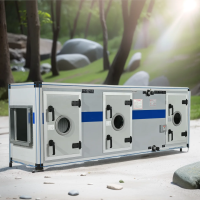
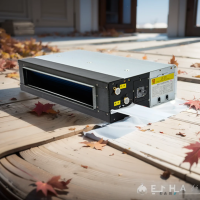
Fan coil units (FCUs) are a popular choice in modern HVAC systems. Hotels, offices, and multi-room buildings rely on them for their flexibility, energy efficiency, and ease of installation. But when these systems underperform—especially when the cooling output drops—it becomes a serious issue for both comfort and energy costs.
Let’s break down the common reasons why your fan coil unit isn’t delivering enough cooling and what you can do about it.
One of the most overlooked reasons for poor cooling performance lies in the original design and unit selection. Many systems are chosen based on rated performance shown in product catalogs. However, those values often reflect nominal airflow, not actual airflow under real-world conditions.
If your fan coil unit delivers less air than expected, it can’t absorb and transfer enough heat. That means less cooling reaches the room.
What you can do:
During the design or selection phase, verify actual airflow data—not just catalog specs. Always leave a performance buffer to match your project’s true cooling load.
Over time, dust and debris collect on the unit’s coils—especially if there's no return air filter installed. Moisture on the coils traps particles, forming a thick layer that blocks heat exchange. This is especially common in hotel rooms with carpets, where dust builds up faster.
Solution:
Install washable return air filters. Clean or replace them regularly. This improves indoor air quality and keeps your fan coil unit running efficiently.
If the filter is already in place but never cleaned, it may be clogged. That restricts airflow and reduces cooling.
How to clean it:
Remove the filter, clean it thoroughly with water or vacuum, and flush the system by opening both the inlet and outlet valves until the water runs clean.
Improper installation also affects cooling. If the unit isn't level or the piping includes air pockets (trapped air forming a “gas bag”), water flow becomes uneven. That leads to poor heat transfer and weak cooling.
Another issue? Poor duct design. If supply and return vents are too close, blocked by decor, or connected using long or soft ducts, airflow drops.
What to check:
Make sure the unit is mounted level and securely
Use flexible metal hoses for piping to prevent kinks
Ensure vents are clear and spaced apart
Avoid “short-circuit” air paths between supply and return
Even a well-designed system can underperform if it's not operated correctly. If the chilled water temperature rises above the design setpoint, the unit’s cooling capacity drops. Likewise, changes in room humidity or airflow can disrupt performance.
Best practices:
Monitor and adjust chilled water temperature as needed
Operate within the designed parameters
Train maintenance staff to track system performance regularly
Insufficient cooling from a fan coil unit doesn’t always mean the unit is broken. Often, the root cause lies in mismatched design specs, dirty filters, installation issues, or overlooked maintenance.
By understanding how these factors affect performance—and fixing them—you can restore comfort, improve energy efficiency, and extend the life of your system.